Charter Flights to Taos Ski Valley, New Mexico
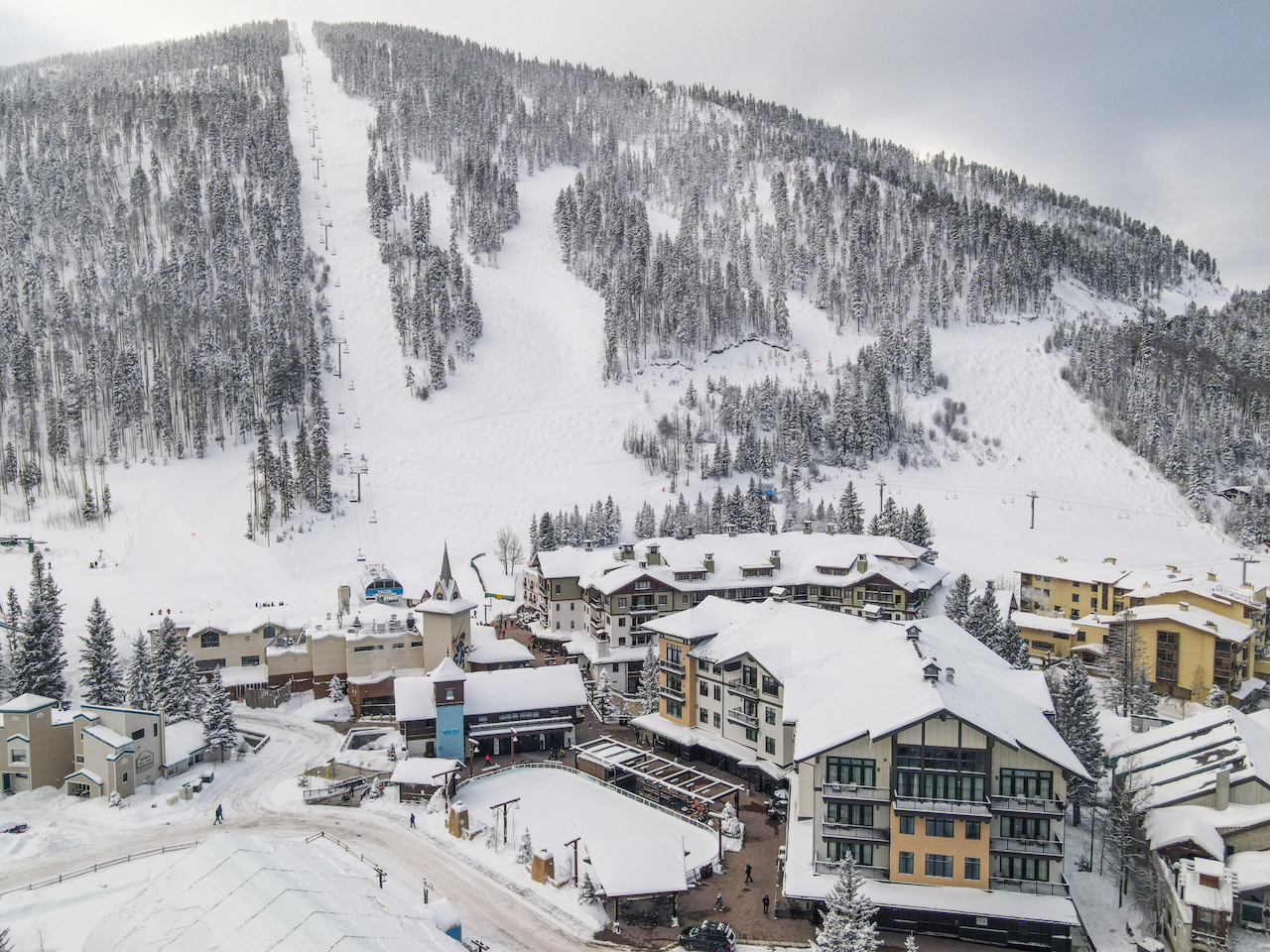
A steep outpost where the high desert meets the alpine
We offer private flights to Taos from anywhere in the United States
Taos is not merely a ski resort; it's a cultural and geological eccentric. Founded by Swiss pioneer Ernie Blake, it sits at the terminus of a box canyon in the Sangre de Cristo Mountains, rising abruptly from the red dust of the New Mexico desert. The terrain here is legendary for its ferocity — steep, relentless chutes that demand a technical precision rarely asked for in American skiing. For decades, it was a "skiers only" enclave, and while the gates have opened to snowboarders and the base area has been modernized by The Blake hotel, the soul of the mountain remains fiercely independent and blissfully uncrowded.
The journey to this high-altitude sanctuary is notoriously difficult for the commercial traveler. The drive from the nearest major hub in Albuquerque involves a three-hour slog through traffic and winding canyon roads. Chartering a private jet rewrites this script entirely, unlocking the ability to land directly at Taos Regional Airport — a high-plateau strip just minutes from the Rio Grande Gorge — cutting the ground travel time to a mere 30 minutes and delivering you to the lift before commercial travelers have even left the rental car lot.
From
Aircraft
Passengers
Pax
Estimate
New York City
Phenom 300E
8 max
$64,800
Round Trip
Miami
Citation CJ3+
7 max
$64,800
Round Trip
Houston
King Air 250
8 max
$25,200
Round Trip
Los Angeles
PC‑12 NGX
8 max
$25,200
Round Trip
Seattle
King Air 350i
9 max
$40,100
Round Trip
Estimated prices for some of the most popular charters into Taos. All estimates are based on a round-trip, Friday through Sunday itinerary. Actual quotes vary depending on factors like season, available aircraft and more. Your quoted price may be more or less than the estimates on this page.
Land on the mesa and ascend into the Sangre de Cristos.
The arrival into Taos is one of the most visually arresting experiences in aviation, offering views of the Rio Grande Gorge slicing through the plateau. We manage the technical requirements of this high-altitude approach, including coordination of any prior-permission, NOTAM or ramp constraints with the FBO/airport. Our ground team coordinates a seamless transfer to a pre-heated vehicle, ensuring your transition from the sagebrush mesa to the snowy alpine village is swift and comfortable.
Join Our New Mexico Charter Flights Email List
Sign up to be notified when deeply discounted empty leg flights are available to Taos Ski Valley or other New Mexico ski destinations!
The Best Airports for Chartering to Taos
Taos Regional (SKX) is a game-changer. Located just 8 miles from the town of Taos and 30 minutes from Ski Valley, it offers an 8,600-foot runway (as well as a secondary 5,800-foot runway) that puts you on the doorstep of the resort. However, its elevation (7,095 ft) and exposure to crosswinds demand a high-performance aircraft.
Santa Fe Regional (SAF) serves as a sophisticated alternate; located 90 minutes south, it offers a comparable runway, a degree of commercial aviation infrastructure, and the opportunity to spend an evening in the art galleries of Canyon Road before heading up to the steep terrain. Which you should choose depends primarily on your group/aircraft size and the expected weather conditions during your arrival.
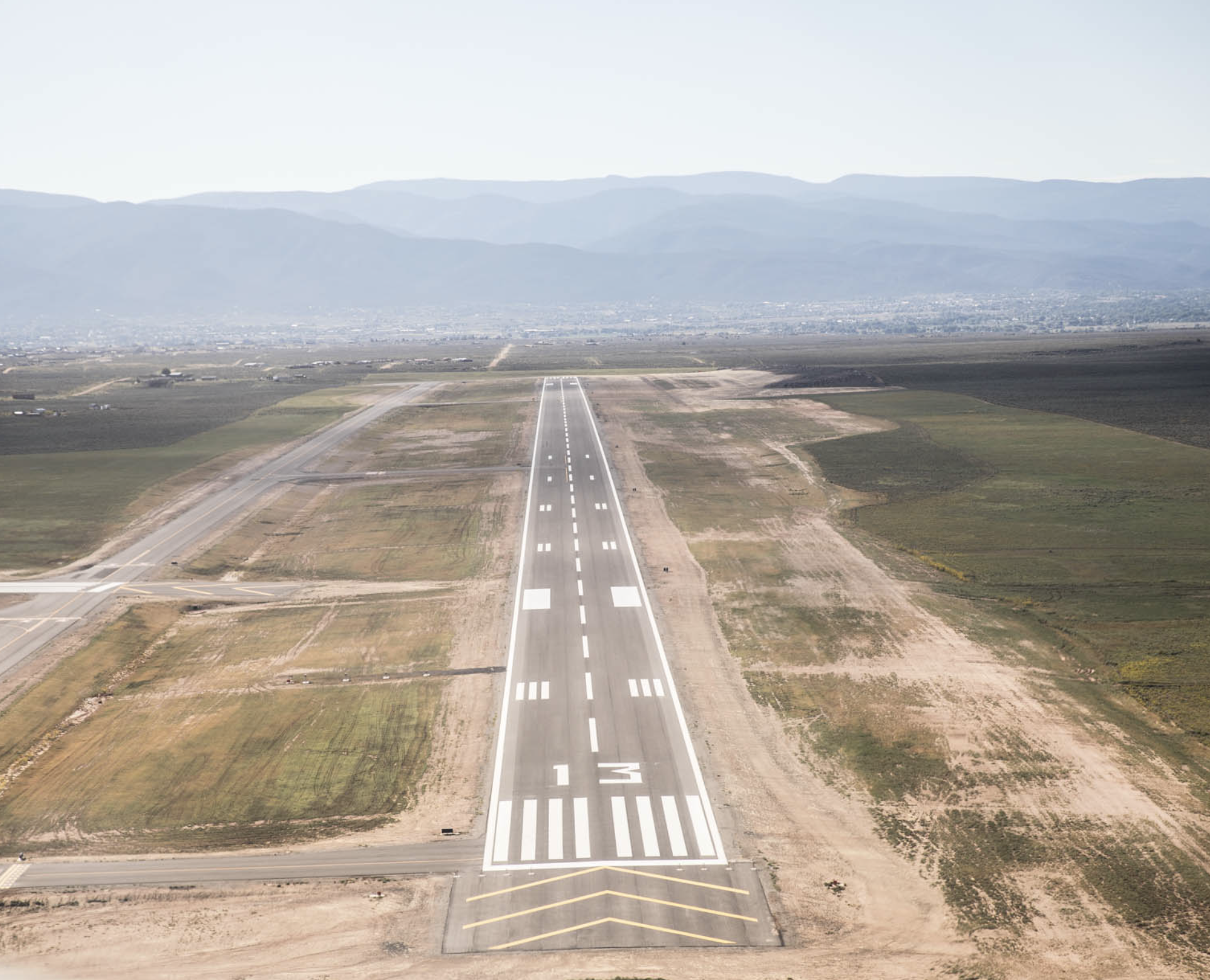
Taos Regional Airport (SKX/KSKX)
Arriving Taos Ski Valley
Taos Regional (SKX/KSKX)
24662 US-64, Taos, NM 87571
Santa Fe Regional (SAF/KSAF)
121 Aviation Dr, Santa Fe, NM 87507
Where "The Bavarian" serves schnitzel and the ridges are hike-to only.
Destination Highlights
Taos Ski Valley operates with a distinct personality imparted by the Blake family. It feels less like a corporate resort and more like a European transplant. The Bavarian Lodge, located at the base of Lift 4, is arguably the best on-mountain lunch spot in the Rockies, serving authentic bratwurst and steins of beer in a setting that could be mistaken for the Austrian Tyrol.
Ski Area Logistics
The mountain is a masterclass in verticality. The installation of the Kachina Peak Lift revolutionized access, allowing skiers to reach the 12,481-foot summit without the formerly mandatory 45-minute hike. However, the true connoisseurs still hike the ridges (West Basin and Highline) to access the tight, technical chutes that hold the best chalky snow. The "gentler" terrain is largely isolated, leaving the steep faces uncrowded for those who can handle them.
Aircraft Comfort and Options
Taos airport sits at over 7,000 feet, which significantly degrades lift and engine thrust. We recommend the Pilatus PC-24 or Citation CJ3+ for this route; these aircraft are engineered for hot-and-high performance, ensuring a safe margin for takeoff even with a full load of passengers and ski gear. if you need a larger aircraft, flying into Santa Fe is usually the best option.
Gear & Trip Specifics
The sun in New Mexico is violent. You are skiing at latitudes far south of the Alps and most Rocky Mountain resorts, at altitudes exceeding 12,000 feet. The UV exposure is extreme. High-category lenses (VLT 10-15%) are non-negotiable to prevent snowblindness. Hydration is also a serious tactical consideration; the air is desert-dry, and altitude sickness is a real threat. Drink twice as much water as you think you need. For skis, bringing a directional, stiff charger (95mm-105mm) is wise; Taos is known for steep, chalky windbuff rather than bottomless powder, and you want an edge that bites.
4 Insider Tips for Taos Charters

Secure Heated Hangar Space
Taos Regional has limited hangar capacity. In the winter, ramp temperatures plummet, and leaving a jet outside overnight guarantees a "cold soak." This leads to expensive de-icing fees and potential mechanical delays on departure. We prioritize reserving heated hangar space at the time of booking to ensure your aircraft is warm and ready for a zero-delay departure.

Volume Over Weight
Ski trips create a specific packing problem: bulk. While a Light Jet might have the range to get you to New Mexico, it may lack the cubic footage for four sets of skis and boot bags. For groups of four or more, we recommend stepping up to a Super Midsize jet to ensure all gear fits in the baggage hold, keeping the cabin clear for passengers.

Mandate 4WD Transfer
The drive from the airport to the Ski Valley involves a steep, winding ascent that is frequently icy. A standard executive sedan or 2WD limo often struggles with the grade. AvSky coordinates with local ground transport partners to ensure your vehicle is a 4WD SUV (Suburban/Escalade) equipped with winter tires/chains, guaranteeing a safe climb to the resort.

Respect the Density Altitude
Taking off is harder than landing. Taos sits at nearly 7,100 feet. The thin air reduces aircraft lift and engine performance ("High/Hot" conditions). This often limits how much fuel and luggage you can carry out. We run the performance numbers prior to booking to ensure the aircraft can depart SKX legally and safely without leaving bags behind.
Taos Ski Valley Charter Flight FAQs
Is Taos really as difficult as people say?
Yes, and no. The marketing slogan used to be "Taos is a four-letter word for steep." The reputation is earned; runs like Al's Run and the West Basin Ridge are relentless, mogul-filled, and steep. However, the resort has made significant efforts to improve the beginner and intermediate experience, particularly around the Kachina Basin area. You can have a lovely intermediate vacation here, but you will be constantly looking up at terrain that terrifies you.
Can I land at Taos Regional (SKX) in a large jet?
It is technically possible, but not always practical. The runway is 5,800 feet long, which is short for a heavy jet at 7,000 feet of elevation. While a Gulfstream can technically land, it may be severely weight-restricted on departure, meaning you might not be able to take enough fuel to get home non-stop. We typically recommend super-midsize jets or smaller for unrestricted operations at this specific airfield.
Did they really ban snowboarding?
For a long time, yes. Taos was one of the last holdouts (along with Deer Valley and Alta) to ban snowboarders. That ban was lifted in 2008. Today, snowboarders are welcome, though the traverse-heavy layout of the hike-to terrain can still be a bit of a chore on a board. The culture has integrated, but the skier-centric history is still palpable.
Should I stay in the town of Taos or at the Ski Valley?
This is the classic dilemma. Staying at The Blake in the Ski Valley offers ski-in/ski-out luxury and immersion in the alpine environment. However, the village is quiet at night. Staying in the Town of Taos (30 minutes away) offers access to the incredible art galleries, adobe architecture, and Southwestern cuisine that makes the region famous. The sophisticated traveler often splits their time or chooses the town for the culture.
What is the best time to ski Taos?
Taos is a high-desert mountain that relies heavily on the "El Niño" patterns. Early season (December) can be rocky and thin. The prime window is usually February and March, when the base has filled in the steep rocky chutes and the sun is high enough to soften the bumps in the afternoon. Spring skiing here is legendary due to the rapid corn cycle.